What Are Gluten Free Foods? Here’s A Guide
Gluten-free diets have gained popularity over the last few years, not just as a medical necessity but also as a lifestyle choice for many. This
PrepKitcheNinja · 9 min read · Updated September 2026
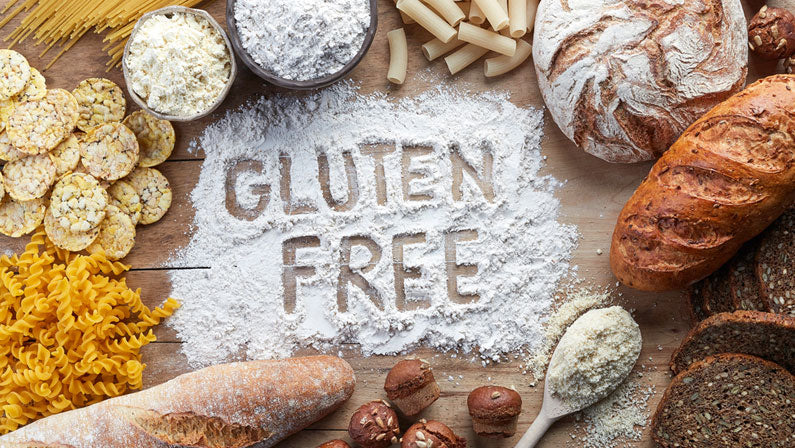
Gluten-free diets have gained popularity over the last few years, not just as a medical necessity but also as a lifestyle choice for many. This comprehensive guide explores what constitutes gluten-free foods, the reasons people opt for such diets, and how to identify and enjoy a wide range of gluten-free options.
0.71%†
of the US population has celiac disease, about 1 in 141
<20 ppm†
gluten is the legal threshold for a 'gluten-free' label
3†
grains to avoid: wheat, barley, rye (plus hybrids like triticale)
What is gluten and what is gluten free food?
Gluten is a family of proteins found in certain grains such as wheat, barley, and rye. It acts as a binder, holding foods together and giving them a stretchy texture. While gluten is harmless to most people, it can cause health problems for individuals with certain conditions.
What are gluten free foods?
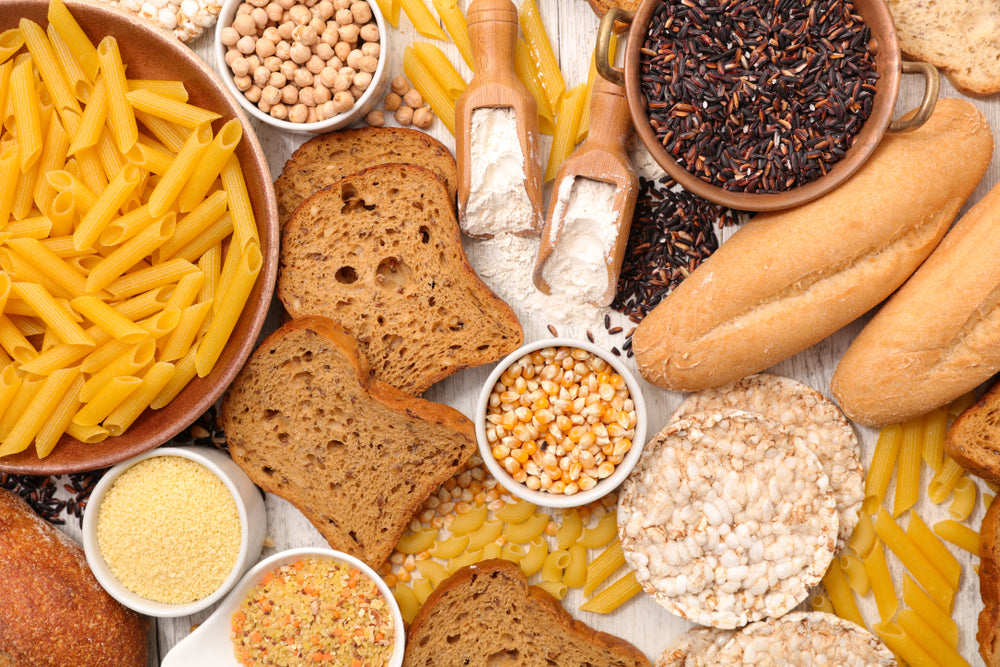
Gluten-free foods are those that do not contain gluten. This includes a wide variety of foods, from natural farm produce to specially manufactured products. Identifying and incorporating gluten-free foods into the diet can be vital for those who are sensitive to gluten.
Why Do People Eat Gluten-Free Foods?
The reasons for adopting a gluten-free diet vary widely and can range from medical necessities to personal health and wellness preferences.
Medical reasons (celiac disease, gluten sensitivity, wheat allergy)
For individuals with celiac disease, consuming gluten triggers an immune response that damages the intestine. Gluten sensitivity, though less severe, can also cause discomfort. A wheat allergy, distinct from celiac disease, necessitates avoiding gluten to prevent allergic reactions.
Health and wellness trends and what can you eat on a no gluten diet?
The gluten-free diet has also been embraced as part of health and wellness trends, often associated with cleaning eating practices and the belief that it can contribute to overall well being.
Potential benefits and misconceptions
Some people report feeling more energetic and less bloated after cutting out gluten. However, it’s a misconception that gluten-free diets are inherently healthier or conducive to weight loss; gluten-free products can also be high in sugars and fats.
What Foods Are Naturally Gluten-Free?
Many foods naturally lack gluten and can form the foundation of a healthy, gluten-free diet.
Fruits and vegetables
All fresh fruits and vegetables are naturally gluten-free, making them essential components of any diet, especially for those avoiding gluten.
Meat, poultry, and seafood
Natural meats, poultry, and seafood are gluten-free, though care should be taken with breaded or marinated products, which may contain gluten.
Dairy products
Most dairy products are gluten-free, but some products like flavored yogurts and cheeses may have additives containing gluten.
Nuts and seeds
Unprocessed nuts and seeds are free from gluten, offering a great source of protein and healthy fats.
Legumes and beans
Beans and legumes are not only rich in protein and fiber but also naturally gluten-free.
What Grains and Starches Are Gluten-Free?
Several grains and starches do not contain gluten and can be enjoyed freely.
Rice and wild rice
Can you eat rice in a gluten free diet? Well, all types of rice are naturally gluten-free, making them a staple in gluten-free diets.
Quinoa
Quinoa is a complete protein and a versatile gluten-free grain that can replace wheat in many recipes.
Amaranth, buckwheat, and millet
These grains are not only gluten-free but are also nutritious alternatives to traditional wheat products.
Corn and cornmeal
Corn is a gluten-free grain that forms the basis of many gluten-free flour mixes.
Gluten-free oats
Oats are naturally gluten-free but are often contaminated with gluten. Look for oats specifically labeled as gluten-free.
Grains and starches: which contain gluten
| Contains gluten (avoid) | Naturally gluten-free |
|---|---|
| Wheat (incl. spelt, farro, kamut, durum, semolina, bulgur, couscous) | Rice (all types) and wild rice |
| Barley (incl. malt, malt vinegar, most beer) | Quinoa, amaranth, buckwheat, millet, teff, sorghum |
| Rye and triticale | Corn, cornmeal, polenta, popcorn |
| Regular oats (cross-contact) and most breaded or floured foods | Certified gluten-free oats, potatoes, cassava, tapioca |
In the US a 'gluten-free' label means under 20 parts per million of gluten. [source]
What Packaged Foods Are Gluten-Free?
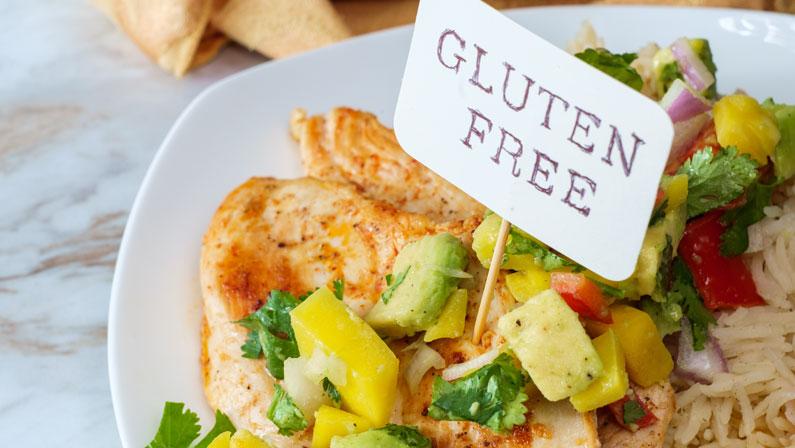
The market for gluten-free packaged foods has expanded significantly, offering numerous options.
Gluten-free bread, pasta, and cereals
These products are specifically manufactured to be gluten-free, using alternative flour and grains.
Gluten-free snacks and bars
A wide range of popular snacks that are gluten-free is now available, catering to the increasing demand for convenient gluten-free options.
Gluten-free baking mixes and flours
For those who enjoy baking, gluten-free flours and baking mixes provide an easy alternative to traditional wheat flour.
Gluten-free sauces and condiments
Many sauces and condiments are now available in gluten-free versions, though it’s always important to check labels for hidden sources of gluten.
Gluten-free ready-to-eat meals
For those short on time, gluten-free ready-to-eat meals from gluten free food places offer a convenient option for products without gluten.
Gluten-free picks on this week's menu
Meals built on rice, potatoes, corn tortillas or gluten-free pasta. Always check the allergen line on the product page for the current recipe.
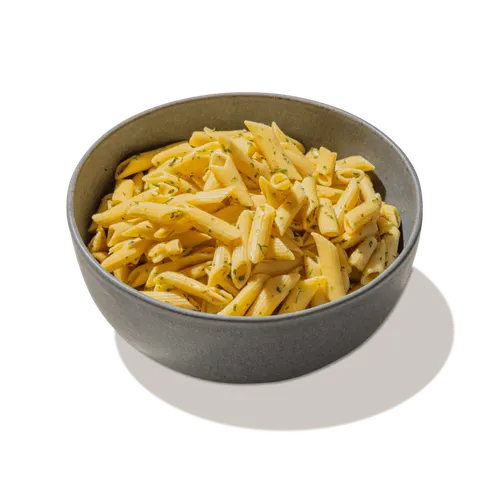
Really Good GF Pasta 16 oz
Available in (16 oz) Bulk Sizes: Finally, a gluten free pasta option that lives up to the hype! Powered by chickpeas, it's lower carb than traditional pasta and contains a lot more fiber as well. It has 13 grams of protein per 4 ounce serving and, most importantly, it's actually delicious! It holds up better than other GF pastas, maintaining the bite of an al dente noodle, without being gummy or overly soft. Our chefs prepare this dish with a dash of olive oil for the perfect finish!
- 240CAL
- 13gPRO
- 39gCARB
- 7gFAT
$9.99
$9.49 subscribed
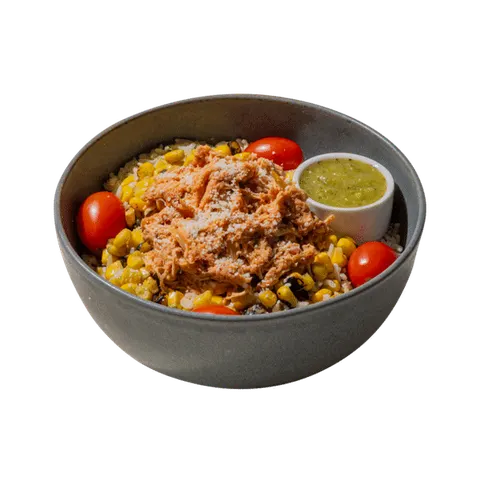
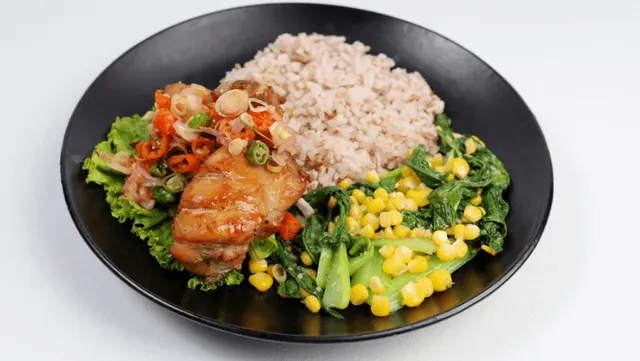
Chicken Tinga Bowl
Slow-cooked, shredded chicken breast simmered in bold tinga spices, served over hearty brown rice. Finished with roasted corn, fresh tomatoes, and a sprinkle of cotija cheese. Shredded chicken tinga, or tinga de pollo , is a classic Mexican dish from Puebla consisting of tender, shredded chicken simmered in a rich, smoky, and slightly spicy tomato-based sauce . This chef bowl is gluten free and brings excellent protein with balanced fiber for a smarter dining choice.
- 470CAL
- 32gPRO
- 58gCARB
- 12gFAT
$11.99
$11.39 subscribed
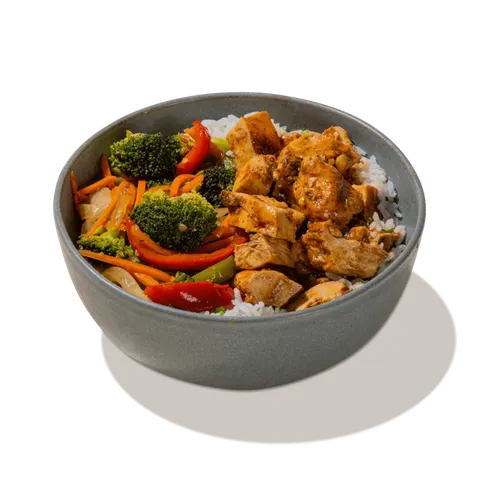
Teriyaki Chicken Stir Fry Bowl
Put the takeout menu down. We slice our all natural chicken breast and marinate it in our Asian-inspired house marinade. Our chefs stick to tradition and wok sear the chicken with another out-of-this-world sauce - our teriyaki glaze. We throw in pre-blanched broccoli for some crunch and extra nutrients. It's all spooned over steamed cilantro lime rice.
- 490CAL
- 35gPRO
- 65gCARB
- 7gFAT
$12.99
$12.34 subscribed
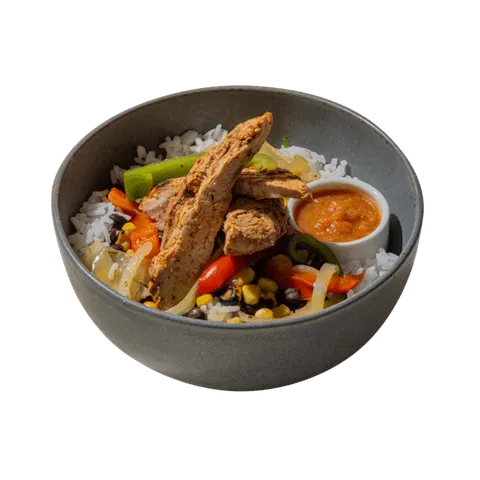
Grilled Chicken Burrito Bowl
It’s like Chipotle but so much more gourmet! Your protein is completely customizable. We build it up with black beans, cilantro, corn, fajita pepper mix (grilled red and green bell peppers and white onion), cilantro-lime jasmine rice, salsa roja, and grilled chicken!
- 500CAL
- 45gPRO
- 65gCARB
- 7gFAT
$12.99
$12.34 subscribed
How Can You Identify Gluten-Free Foods?
Identifying gluten-free foods is crucial for those with gluten sensitivities or allergies.
Reading ingredient labels
Learning to read labels carefully is essential for avoiding gluten, as it can be hidden in many unexpected products.
Understanding gluten-free certifications and symbols
Many products now carry gluten-free certifications or symbols, making it easier for consumers to identify safe options.
Recognizing hidden sources of gluten
Understanding where gluten can hide, such as in thickeners or soy sauce, is important for maintaining a gluten-free diet.
Where gluten hides
| Category | Common culprits | Look for instead |
|---|---|---|
| Sauces | Soy sauce, teriyaki, gravy, roux-thickened sauces | Tamari, coconut aminos, cornstarch-thickened |
| Grains | Couscous, bulgur, farro, regular oats | Rice, quinoa, certified GF oats |
| Processed meat | Breaded chicken, some sausages and deli meats, imitation crab | Plain cuts, GF-labeled products |
| Drinks | Beer, malt beverages, some flavored coffees | Wine, spirits, cider, GF-labeled beer |
| Extras | Croutons, breadcrumbs, seasoning blends with wheat starch | GF-labeled seasonings and breadcrumbs |
What Are Common Misconceptions About Gluten-Free Foods?
Despite the growing popularity of gluten-free diets, several misconceptions persist.
1. Myth: Gluten-free foods are automatically healthier
Not all gluten-free foods are healthy; some may be high in sugar or fat as a substitute for gluten.
2. Myth: Gluten-free diets lead to weight loss
A gluten-free diet is not a weight loss diet, though some people may lose weight due to cutting out high-calorie gluten-containing foods.
3. Myth: All grains contain gluten
Many grains and starches do not contain gluten and can be safely included in a gluten-free diet.
How Can You Substitute Gluten-Containing Ingredients in Recipes?
Substituting gluten-containing ingredients in recipes can be straightforward with the right knowledge and ingredients, such as using almond flour instead of wheat flour or tamari in place of soy sauce.
What Are the Benefits of a Gluten-Free Diet?
For those with gluten intolerance or celiac disease, a gluten-free diet is essential and can lead to significant health improvements.
Health improvements for those with gluten-related disorders
Adopting a gluten-free diet can alleviate symptoms and promote intestinal healing for those with gluten-related disorders.
Potential digestive benefits for sensitive individuals
Even for those without diagnosed gluten sensitivities, reducing gluten intake can help improve digestion for some individuals.
Increased awareness of food ingredients and labels
Following a gluten-free diet often leads to increased awareness of food ingredients, encouraging a more mindful approach to eating.
What Are the Challenges of a Gluten-Free Diet?
Adopting a gluten-free diet, while beneficial for many, comes with its set of challenges. From nutritional concerns to social inconveniences, it’s important to recognize these challenges in order to manage a gluten-free lifestyle effectively.
Risk of Nutritional Deficiencies
Removing gluten from your diet often means cutting out a variety of foods that are rich in essential nutrients. Whole grains, which are a significant source of B vitamins, fiber, and iron, are commonly eliminated on a gluten-free diet. This can lead to nutritional deficiencies if these nutrients are not adequately replaced through other means. Incorporating a variety of gluten-free grains, such as quinoa and buckwheat, as well as fruits, vegetables, and lean proteins can help mitigate this risk.
Higher Cost of Gluten-Free Products
One of the most notable challenges of a gluten-free diet is the higher cost of gluten-free products. While it is hard to get low cost gluten free foods, gluten-free alternatives to traditional wheat-based products are often more expensive due to the more complex production processes and smaller market demand. The price difference can be significant at gluten free food places, making a gluten-free diet less accessible for some individuals. Budget-conscious shoppers might need to be more creative, focusing on naturally gluten-free foods and grains which tend to be cheaper and more nutritious.
Difficulty Dining Out and Social Eating
Eating out or enjoying meals with friends and family can be more complicated when following a gluten-free diet. Not all restaurants offer gluten-free options, and the risk of cross-contamination is higher in kitchens that are not exclusively gluten-free. It requires diligent communication with restaurant staff and sometimes even limiting dining choices to establishments known for accommodating gluten-free diets. Social eating situations may require planning ahead, such as eating beforehand or bringing a gluten-free dish to share.
What Tips Can Help You Maintain a Gluten-Free Lifestyle?
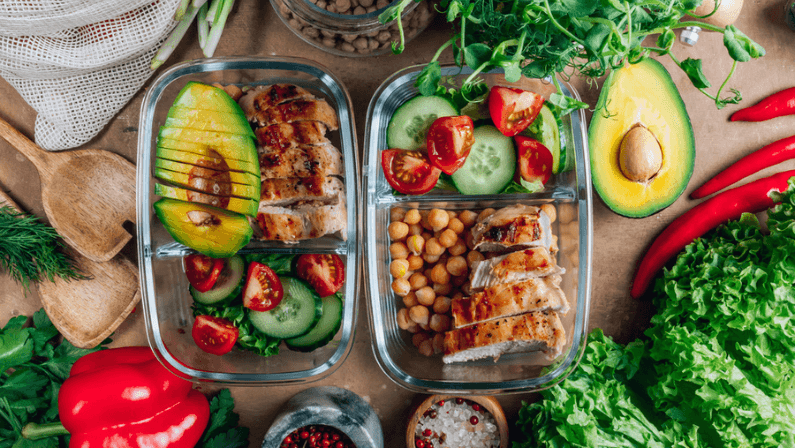
While navigating a gluten-free lifestyle might initially seem daunting, several strategies can make the transition smoother and more enjoyable.
1. Meal Planning and Prepping
Meal planning and prepping are invaluable tools for anyone on a gluten-free diet. By planning meals in advance and preparing food at home, you can ensure that your diet remains diverse, nutritionally balanced, and, most importantly, gluten-free. This also minimizes the temptation to eat out, where gluten-free options might be limited or cross-contamination risks higher.
2. Finding Reliable Gluten-Free Brands
There is a growing number of brands dedicated to producing high-quality, gluten-free products. Researching and finding reliable gluten-free brands can save time and reduce frustration. Once you have a list of trusted brands, shopping for food becomes much easier and quicker. Reading labels remains essential, as product formulations can change.
3. Building Gluten Free Options Pantry
Stocking your pantry with gluten-free staples is crucial. This includes gluten free substitutes such as gluten-free grains, pasta, flour substitutes, and an array of seasonings that are free from gluten-containing additives. Having these ingredients on hand not only makes meal preparation simpler but also encourages creativity in gluten-free cooking and baking.
4. Seeking Support from Communities and Nutritionists
Joining gluten-free communities for gluten free food menu ideas, whether online or in person, can provide valuable support and information. Additionally, consulting with a nutritionist who has experience with gluten-free diets can offer personalized advice, ensuring your diet remains balanced and fulfilling your nutritional needs.
Navigating Gluten-Free Living with Ease
For those in Dallas looking to make gluten-free living simpler or gluten free diet resources, considering the best meal prep services can be a game-changer.
The Prep Kitchen stands out for its commitment to offering a wide range of delicious, gluten-free options that cater to busy lifestyles. Not only do they eliminate the guesswork and time commitment associated with meal planning and preparation, but they also ensure that enjoying a gluten-free diet can indeed be both easy and enjoyable.
With services like these, maintaining a gluten-free lifestyle becomes more accessible and less of a challenge.
Questions people ask
Sources
- The prevalence of celiac disease in the United States — Rubio-Tapia A, et al., Am J Gastroenterol, 2012 · PMID 22850429 · DOI 10.1038/ajg.2012.219
- Non-celiac wheat sensitivity diagnosed by double-blind placebo-controlled challenge — Carroccio A, et al., Am J Gastroenterol, 2012 · PMID 22825366 · DOI 10.1038/ajg.2012.236
- Gluten-Free Labeling of Foods (21 CFR 101.91) — U.S. Food and Drug Administration, Regulation, 2013